Cartronics
Audio educator: Amplifiers
- AMPLIFIED VS. NON-AMPLIFIED CAR AUDIO SYSTEMS
What’s the Difference?
When setting up your car’s audio system, one big decision you'll face is whether to go with an amplified system or stick with a non-amplified system. But what does that mean, and why should you care? Let's dive in and explore these concepts, including the different types of amplifiers and how to choose the right one for your speakers and subwoofers.
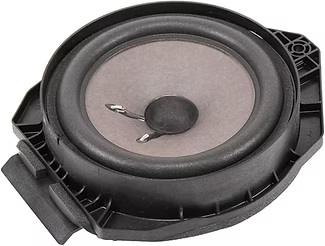
Non-Amplified Systems: The Basics
A non-amplified car audio system is what you typically get straight from the factory. It consists of a head unit (like your car’s radio or CD player) connected directly to the car’s speakers. In these setups, the head unit usually has a small built-in amplifier that powers the speakers.
Pros:
Simple and straightforward.
Less expensive because you don’t need to buy extra equipment.
Easy to install since everything comes already set up.
Cons:
Limited power, which means your music might not be as loud or clear.
Bass and overall sound quality may be lacking, especially at higher volumes.
Example: Think of a non-amplified system like listening to music through your phone’s speaker— it works, but it’s not as powerful or immersive as it could be.
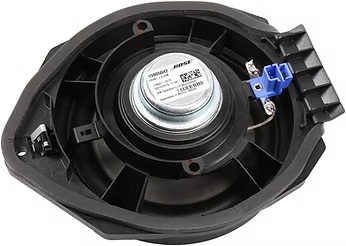
Amplified System
Amplified Systems: A Big Step Up
Example: An amplified system is like adding a high-quality speaker to your phone. Suddenly, your music sounds fuller, richer, and much more enjoyable.
Understanding Amplifier Channels
Choosing the Right Amplifier Power Rating
The power rating of an amplifier tells you how much power (measured in watts) it can send to your speakers or subwoofers. Matching this power correctly is crucial for great sound.
Speakers: Look at the RMS power rating of your speakers, which is the amount of power they can handle continuously. Choose an amplifier with a power rating that matches or slightly exceeds this RMS rating.
Example: If your speakers have an RMS rating of 75 watts, you’ll want an amplifier that can deliver 75 watts to each speaker.
Subwoofers: Like speakers, subwoofers also have an RMS rating. You’ll need an amplifier that can match or slightly exceed this rating for the best bass performance.
Example: If your subwoofer has an RMS rating of 300 watts, look for an amplifier that can deliver 300 watts to that subwoofer.
Important Tip: Never overpower your speakers or subwoofers with an amplifier that delivers too much power, as this can cause damage. Similarly, underpowering them can result in poor sound quality.
Adding Multiple Amplifiers
Sometimes, one amplifier isn’t enough, especially if you have a large or complex audio setup. Here’s what to keep in mind when adding multiple amplifiers:
Power Distribution: Make sure your car’s electrical system can handle the extra load. You might need to upgrade your car battery or alternator.
Signal Distribution: Use a signal processor or a distribution block to split the audio signal between amplifiers. This ensures each amp gets the correct signal for the speakers or subwoofers it’s powering.
Example: If you’re running a 4-channel amp for your speakers and a separate 1-channel amp for your subwoofer, you’ll need to carefully plan how the power and signal are distributed to each.
Understanding Amplifier Classes
Example: If you want a powerful subwoofer setup, a Class D amplifier is often the best choice because it can deliver lots of power without overheating your car's electrical system.
Why an Amplified System is Worth It
An amplified system is like upgrading from regular TV to a home theater setup. The sound is clearer, louder, and more enjoyable. Whether you're a casual listener or a serious audiophile, adding an amplifier to your car audio system will dramatically improve your listening experience. Plus, with the right amplifier, you can power more speakers and subwoofers, creating a truly immersive sound environment in your car.
In Summary:
Amplified systems provide better sound quality, more power, and more control.
Choose the right amplifier based on the number of channels and power rating needed for your speakers and subwoofers.
Amplifier classes determine efficiency and sound quality, with Class D being the most common for car audio.
Multiple amplifiers can be used for more complex setups, but careful planning is needed.
With the right setup, an amplified system can make every drive feel like a concert on wheels!
Active Channels vs. Using Crossovers: What's the Difference?
When setting up a car audio system, you'll often hear about active channels and crossovers. Understanding these concepts is key to getting the best sound out of your speakers and subwoofers.
Example: An audiophile who wants the best possible sound quality might choose an active setup to have full control over each speaker’s performance.
Example: If you're looking for a straightforward setup without a lot of extra components, using passive crossovers is a good choice.
Active Channels vs. Crossovers: Which is Better?
Budget: If you’re looking for a more affordable solution without needing multiple amplifiers or a DSP.
Why Active Channels Might Be a Game-Changer
Opting for an active channel setup allows for a higher level of customization and sound quality in your car audio system. Each speaker gets exactly the power and frequencies it needs to perform at its best, which can lead to a richer, more detailed listening experience. However, passive crossovers offer a simpler and more cost-effective alternative for those who want good sound without the added complexity.
In Summary:
Active Channels give you maximum control and sound quality but require more components and tuning.
Crossovers provide a simpler, more affordable way to manage your audio system’s frequencies, with passive crossovers being the easiest to use.
Choosing between active channels and crossovers depends on your priorities—whether it's the ultimate sound quality and control or simplicity and cost-effectiveness.
Ready to build your dream car?
- OUR LOCATIONS
Select closest location
for directions.
Kenneth Simpson
Madison – Rivergate
1815 Gallatin Pike N
Madison, TN 37115
Antioch – Hickory Hollow
5177 Hickory Hollow Pkwy
Antioch, TN 37013
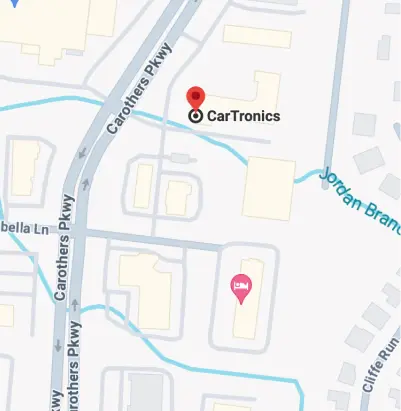
Brentwood – Cool Springs
1724 Carothers Pkwy
Brentwood, TN 37027
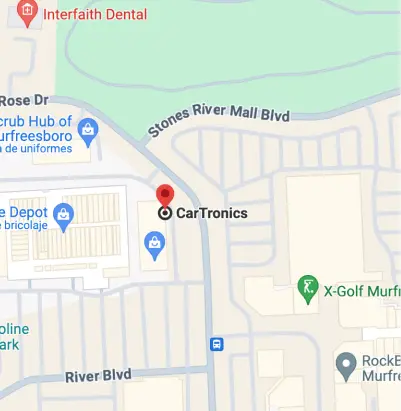
Murfreesboro – Stones River
179 Mall Circle Drive
Murfreesboro, TN 37129

Cartronics focuses on the very best service with every customer. We are proud to stand behind our A+ rating with the BBB and strive to give every customer an amazing experience.

We require all of our technicians to be MECP certified. This nationally recognized certification should be a must for anyone that works on your vehicle